
Twenty sets or big size: two shapes of the same book
The standard album and the big size edition build the same scenes at different scales. Page width, piece size, scene count and price, compared from the shelf.
Two shelves hold most of this hobby, and the difference between them is not the art. It is scale. The standard twenty set album and the big size edition build the same layered rooms, and choosing between them comes down to hands, eyes and desk space.
The standard album
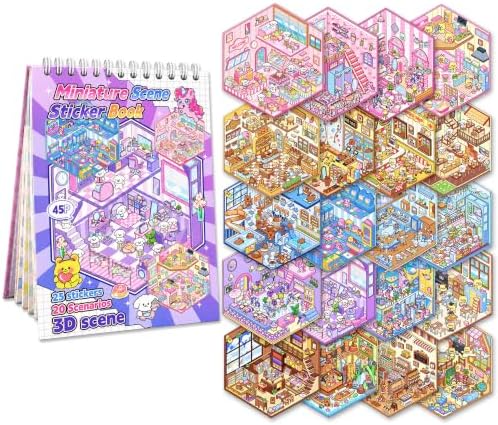
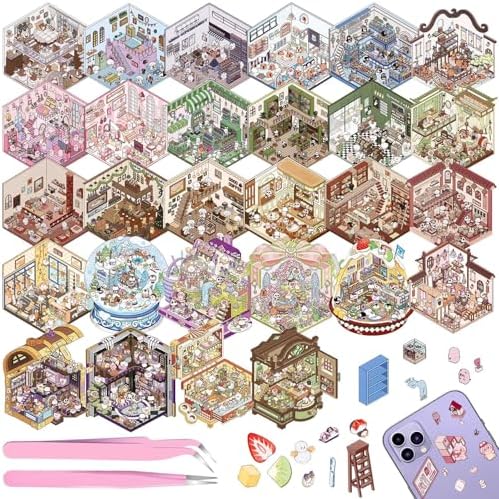
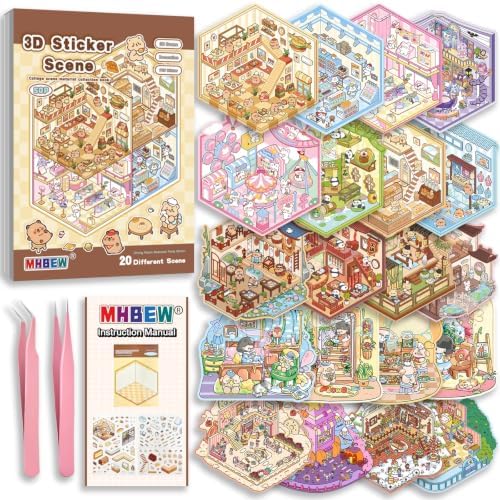
This is the format the hobby grew up in. A compact book, 20 background pages, 20 sticker sheets, and in most boxes a pair of tweezers, because the smallest cutouts are genuinely small. A teacup can be a quarter of an inch across. The payoff for the small cuts is density: a standard page holds a lot of scene, and 20 of them make the album last. On this shelf the standard section runs 72 titles with a median price around ten dollars, which per scene is the cheapest way into the craft.
The big size edition
Big size books print wider, most of them around ten by eight inches, and scale every cutout up with the page. Pieces land with fingers. Nobody reaches for tweezers, and the listings mostly skip including them. The trade is scene count: big size albums usually carry 7 to 12 sets rather than 20, and the median price runs a few dollars higher. What the buyer gets for that is comfort, and the art skews adult too, with more detailed interiors and fewer round-faced animals. Of the 67 big size titles here, 53 are aimed squarely at grown collectors.
The comparison in one breath
Standard means more scenes, smaller pieces, lower price, tweezers in hand. Big size means fewer scenes, broader pieces, a couple of dollars more, and no tools at all. Neither is the beginner format and neither is the advanced one. The split is purely physical.
Who tends to pick which
People who like the miniature quality of the hobby, the doll-house feeling of placing a tiny kettle on a tiny stove, stay with the standard book and its tweezers. People who found the tweezers annoying on day one, anyone sharing a book with a child, and anyone whose eyes complain about quarter-inch teacups do better on the big size shelf. Plenty of collectors end up with both, using the standard albums at a desk and a big size book on the couch.
One thing the formats share
The build order does not change. Backgrounds first, furniture next, small props last, one scene per sitting. A big size page just forgives a wobbly hand, which for some people is the entire decision. Anyone still torn can answer three questions in the picker and see both formats filtered to what fits.
More notes
Picking a first 3D sticker scene book
What actually comes in the box, the three questions that narrow 72 albums down to one, and what a first evening with a scene book looks like.
GiftingWho gets which book: a gift map for the sticker shelf
Scene books make good presents because they need no batteries and no instructions. Matching the format to a teenager, a coworker, a small kid or a traveler.